News

Better Together: How CAP Enhances an Established Process

November 17, 2026
Donau Carbon
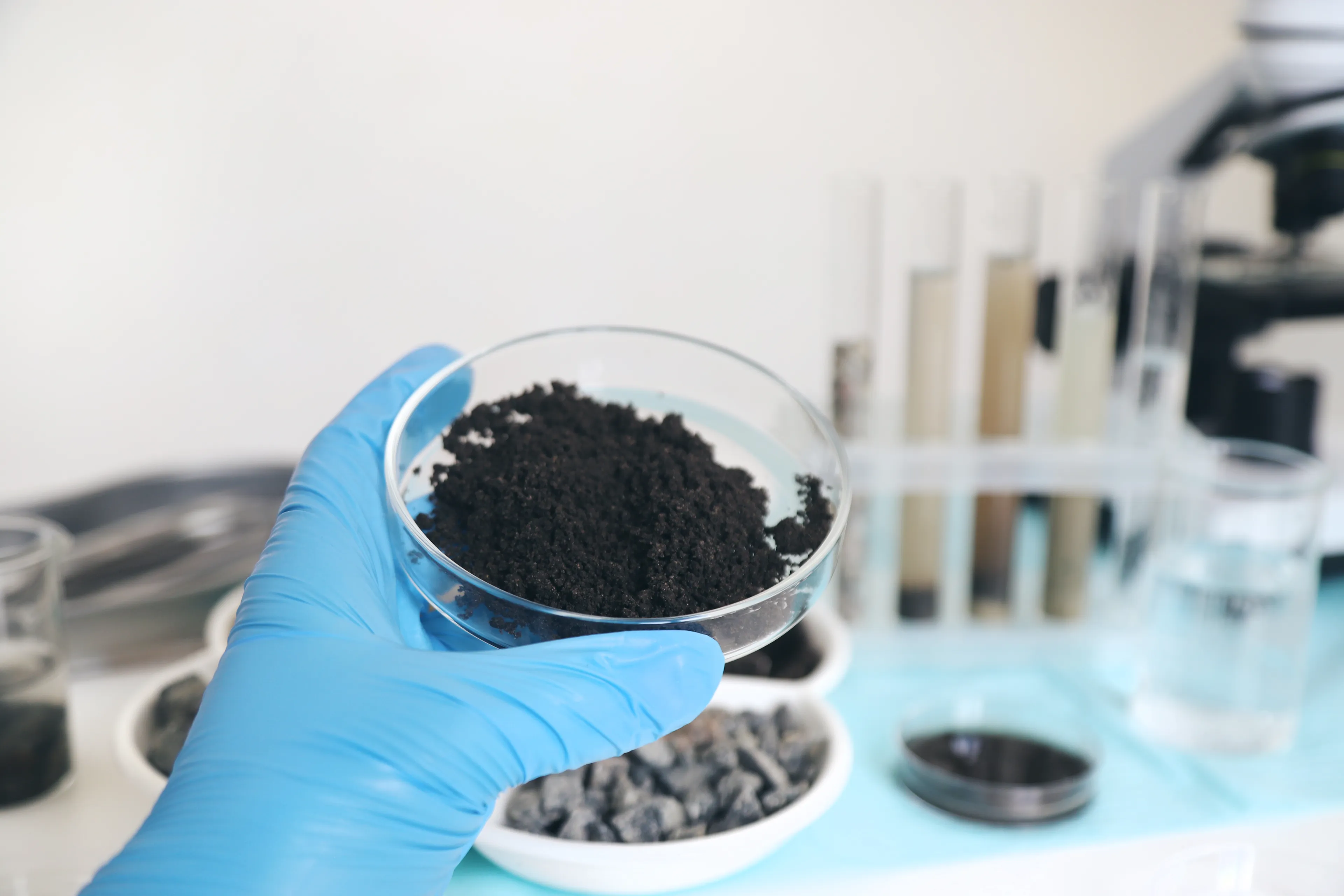
Gloved hand holding a petri dish filled with activated carbon in a lab, with test tubes, samples, and a microscope in the background.

The Carbon Acceptance Procedure brings together expertise from Sales, Order Processing, the Laboratory, Production and Quality Management. The result is a clearer, leaner and reliably coordinated process for accepting and reactivating spent activated carbon.


An Established Process, Enhanced Together. At Donau Carbon, the acceptance of spent activated carbon was already governed by established technical procedures. CAP enabled this proven process to be reviewed across departments, refined and supported digitally. The aim was not to start again, but to connect existing expertise more effectively, simplify interfaces and make decisions even more traceable.


It Started with a Shared Perspective

Reactivating spent activated carbon is a demanding task. Every return case involves different information about the carbon's origin and application, its condition, analytical findings and further processing in production. Turning this information into a reliable decision requires several specialist departments to work seamlessly together.

Representatives from the departments involved contributed their experience and viewed the workflow as one shared process chain. Sales and Order Processing understand customer requirements and organisational conditions. The Laboratory provides the analytical foundation. Production contributes practical plant experience. Quality Management ensures clear documentation and reliable standards. CAP brings these perspectives together in a structured way.


Collaboration Became the Guiding Principle

Instead of optimising individual steps in isolation, the teams examined handovers and dependencies together. What information is needed at each stage? Who makes which decision? How can follow-up questions be reduced? And how can documents and assessments be brought together so that everyone works from the same information base?

These questions led to a common framework: information is assigned to a clearly identifiable profile, technical reviews build on one another and decisions are documented transparently. Responsibility remains with the relevant specialist departments, while the overall process becomes more transparent and easier to manage.

Five Perspectives, One Shared Goal

CUSTOMERS & ORDERS

Sales and Order Processing consolidate the required information early and create a clear starting point.

TECHNICAL ASSESSMENT

The Laboratory and Production combine analytical findings with practical experience to create a robust basis for decisions.

QUALITY & RELIABILITY

Quality Management and process owners ensure transparent standards and continuous improvement.

From a Coordinated Workflow to Tangible Benefits

CAP's strength lies in the way everything works together: clear interfaces, consolidated information and shared learning turn many specialist contributions into one end-to-end process.

What the Joint Enhancement Improved

Fewer Friction Losses

Required information is brought together earlier and in a more structured way, facilitating handovers and reducing avoidable follow-up questions.

Better Overview

Relevant documents and assessments are clearly assigned to a case, supporting every department in day-to-day work.

Clear Decision Paths

Technical assessments and approvals build on one another transparently. Responsibilities and next steps are easier to identify.

Continuous Improvement

Feedback from the departments involved feeds into further optimisation, ensuring that CAP remains a living process.

A Typical Case: Coordinated, Not Merely Sequential

When an enquiry is received about returning spent activated carbon, the relevant information is first consolidated in a structured manner. This enables the responsible departments to identify early which information and checks are required. The Laboratory assigns analytical results to the case, Production and other specialist functions contribute their assessments, and the decision is documented on the basis of shared information.

The key difference lies in the interaction: the departments do not simply work one after another, but in a coordinated way. Information needs to be searched for or explained repeatedly far less often. At the same time, the technical review path remains fully intact. The process becomes leaner without compromising diligence.

"CAP's greatest success is the shared view of the entire process."

Expertise remains where it originates, while becoming more accessible and useful at the interfaces.

Success Also Means Continuing to Listen and Improve

Following implementation, the process was deliberately reviewed from the perspective of the departments directly involved. Their feedback confirmed the sound foundation and also highlighted where workflows could be simplified further, information made more accessible and interfaces clarified. These insights were consolidated and translated into specific areas for improvement.

CAP therefore exemplifies a way of working that is firmly established at Donau Carbon: existing processes are not merely maintained, but enhanced together. The combination of technical diligence, pragmatic implementation and open collaboration across departmental boundaries is crucial.


A Process That Connects

CAP demonstrates how different perspectives can create one shared solution. The enhanced workflow strengthens transparency, reliability and efficiency in the acceptance and reactivation of spent activated carbon. Above all, the project demonstrates that when specialist departments share their knowledge and shape the overall process together, improvements emerge that make a difference in everyday work and deliver lasting value.